
I’m writing this on a red-eye back from a very cool week in New York on behalf of Bloom & England Rugby so if there’s incoherent ramblings then I apologise in advance…
I had a realisation this year… I don’t care about working for ‘the best’.
I appreciate that’s an odd thing to say when you’ve spent your whole career in sport, where trophies are the currency and the pinnacle to strive for. It’s the team that finishes top (or, from my time in sports technology, the company with the most revenue and clients), and it’s the logo everyone wants on their CV.
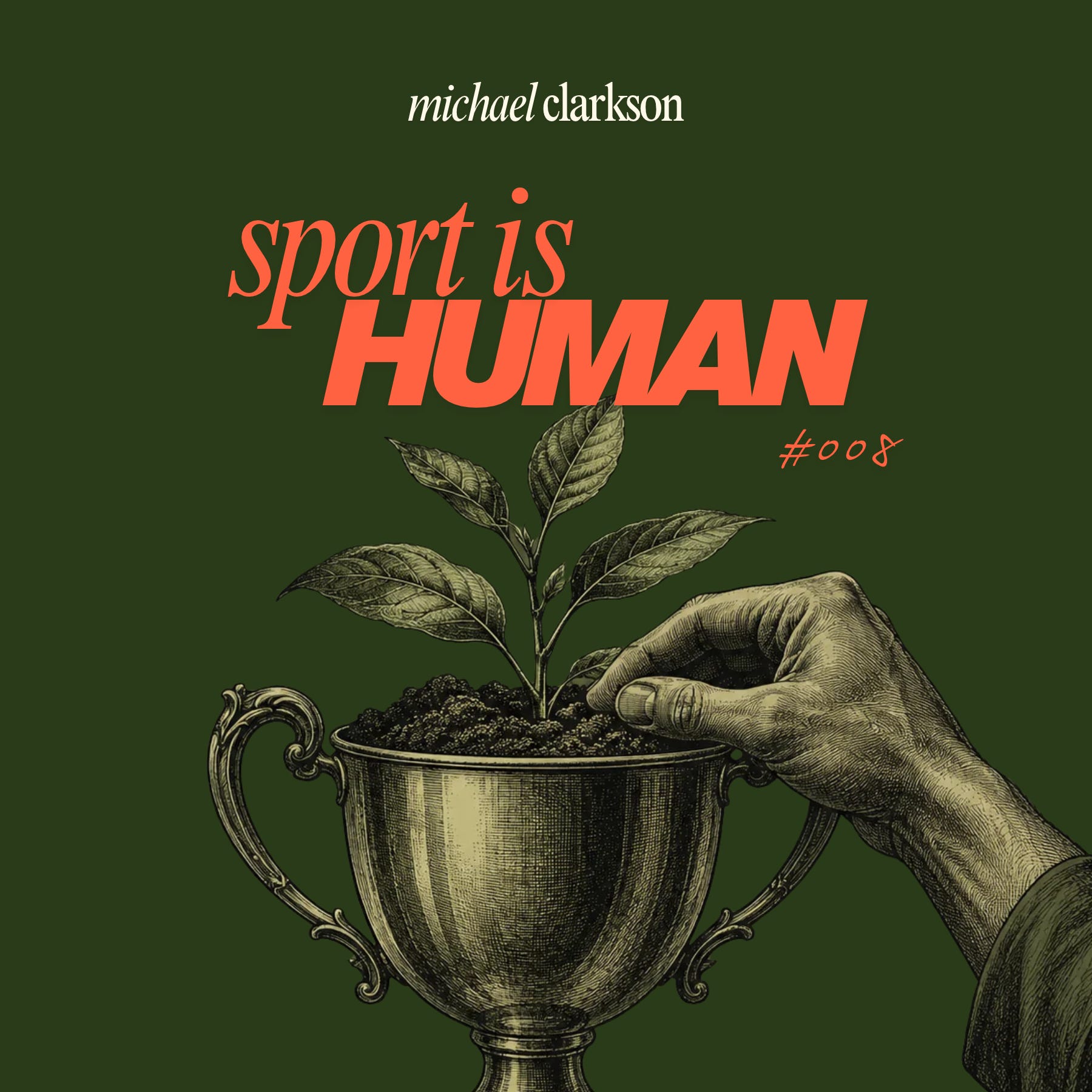
But the more I reflect on my favourite moments in life and my career, the more I care about a different kind of winning.
Think about a club that bounces between divisions, where every relegation means people losing jobs, budgets getting ripped up, and plans that never get started or finished. For an organisation like that, winning might just mean staying up and building more sustainable foundations. It means staff who aren’t on edge every time the season comes to an end, and leaders who can finally plan beyond the next window. Nobody throws a parade for it and there’s no diamond ring at the end, but that doesn’t mean it doesn’t matter to everyone involved including fans and communities.
I know that’s easier for me to say than for a head coach three defeats from the sack. Results still decide who keeps their job, but the clubs that only define winning by results tend to burn through people chasing it or lose their way when the standings don’t look so great.
And despite the cliché, I think life is too short to only want to work with ‘the best’. I’d rather spend my time with people who are bold, a bit different, and willing to try something nobody else has tried yet. The ones trying to leave a stamp on the world, daring to go first. That work is messier and sometimes it doesn’t come off, but I still find it more interesting than defending a position or taking the safe route for incremental gains.
And it turns out I’m not the only one thinking this way.
I’m seeing the same thing in a growing number of the leaders I speak to. The big logo still gets their attention, but it doesn’t seal the deal anymore. The questions have changed to things like…
Do this team’s values match my own? (what the hell even are my values?!)
Do I actually believe in the project?
How much freedom will I have to do the job properly?
Will I grow here, or just get through it?
Earlier this year we spoke to a performance director who turned down a role at one of the biggest sports teams in the world for a smaller side. When I asked why, he said something along the lines of: “At the big club I’d be maintaining someone else’s system inside a sports version of Game of Thrones. Here, I get to build one with people I trust and with patience to see if it works.”
More and more, the best people are choosing the fit of the role and ‘the project’ over the badge.
So no, I don’t want to work for the best, but I do want to work for the brave and the kind. Good humans willing to build the future of sport, not just focus on the next piece of silverware. I’ve worked with some of the biggest names in sport, and I gladly still do. They’re not mutually exclusive, so I hold my hands up to being greedy and wanting both. But if it’s a choice, give me the brave and the kind every time.
Writing that list of questions up top made me ask myself the first question: what the hell even are my values? I’m not sure I could answer it as quickly as I’d like at the minute. So this week’s question is one I’m asking myself as much as you, and you can apply it personally and/or to your department or organisation:
Question 006
If we stopped measuring ourselves against everyone else, what would winning look like for us?
Put aside the league tables and rankings for a minute. They matter, but they don’t tell you everything, as every team and individual has its own idea of success, even if it never gets said out loud. Sometimes it’s stability, growth, or building something that has the potential to change the industry forever. If you don’t name it, you end up chasing someone else’s version by default so saying yours out loud takes a bit of courage but could unlock something meaningful and new to chase down.
Some prompts to help dig into this: What would make you proud of this season, even if nobody outside the building ever noticed? Even if there’s no ‘well done mate!’ or ‘good job!’ message on LinkedIn to come from it. Do you have a personal one that comes to mind, and how well does it align to your teams and your organisations?
See you next week.
MC