
A few nights ago I had a great conversation with a Sporting Director in English football about something that doesn’t get talked about enough in sport: the art of selling.
We went into the moment a Head Coach has to tell a player their role is changing for the next game. Maybe they’re starting on the bench, maybe they’re being asked to play somewhere new. The underlying message itself doesn’t change, but how it’s packaged can make or break whether it lands the way it was intended, or they spend the week having a mental wobble about their future.
It was a great reminder that an idea or solution on its own is rarely enough when working with other human beings.
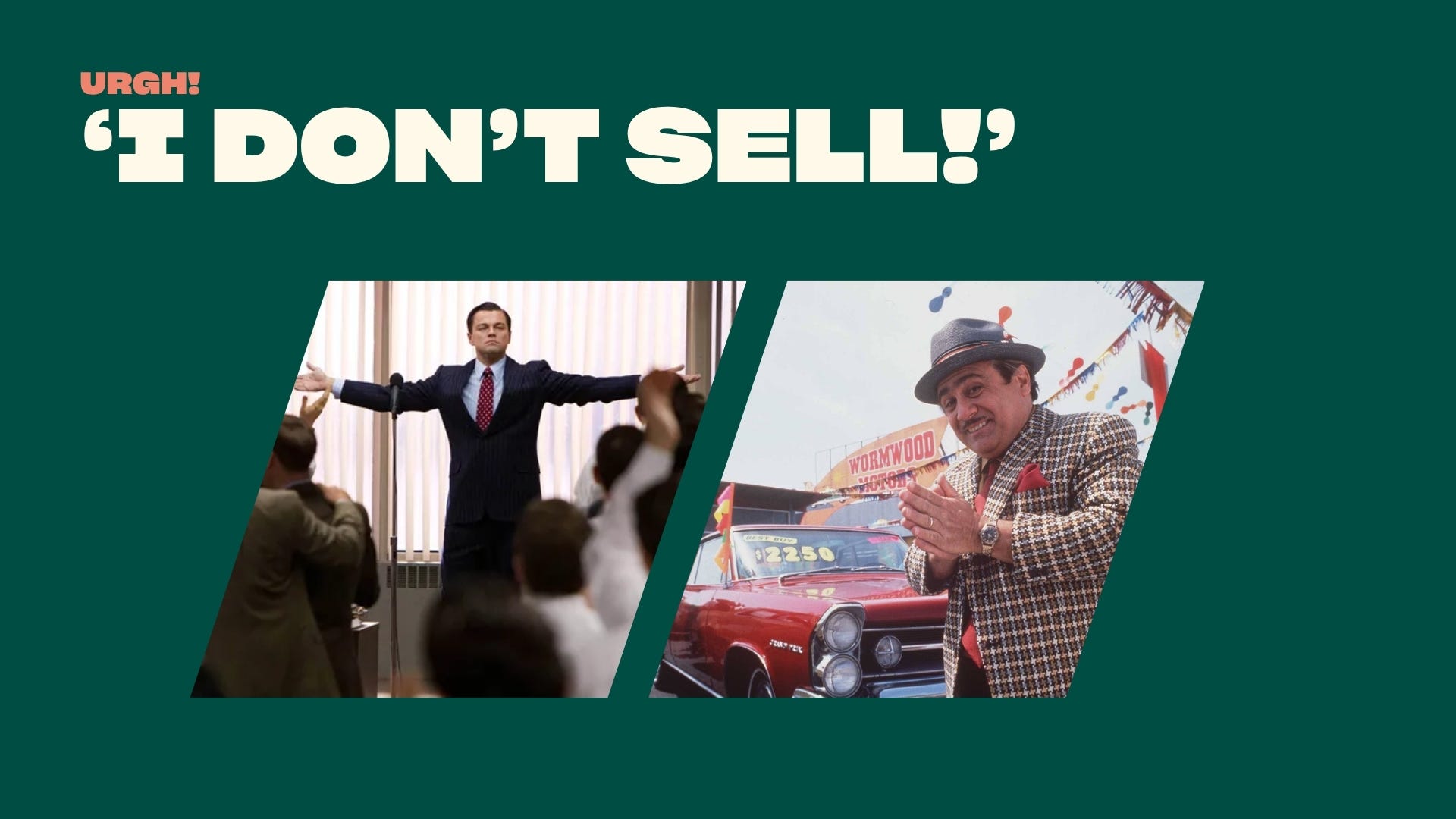
Mention ‘selling’ in most sports organisations and you’ll get a few raised eyebrows. People picture the Wolf of Wall Street or Matilda’s infamous Dad (second-hand dodgy car dealer), and quickly say “I don’t sell, I’m a coach” or “I’m a Sporting Director”.
But the reality is that pretty much everyone in sport is selling, every single day.
A CEO convincing an owner to invest in a new budget or initiative
A Sporting Director getting a Head Coach on board about the club hiring a Technical Director
A Head Coach bringing a player into a new decision and the role they’ll need to play in the next game
An S&C coach convincing a player why the new testing procedure will actually be useful this time
All of them may have a good idea with the best outcome in mind. Whether it ever happens depends on whether they can bring the other person with them.
Back in 2015 I read Daniel Pink’s To Sell Is Human on a flight to Lisbon, and it changed how I saw this as a young sport scientist in the corporate technology world. Selling isn’t manipulation or a dirty art form. It’s influence, and influence is actually a skill we can learn and get better at. It isn’t something you’re either born with or not.
Maybe To Sell Is Human is where the name of the series came from subconsciously!
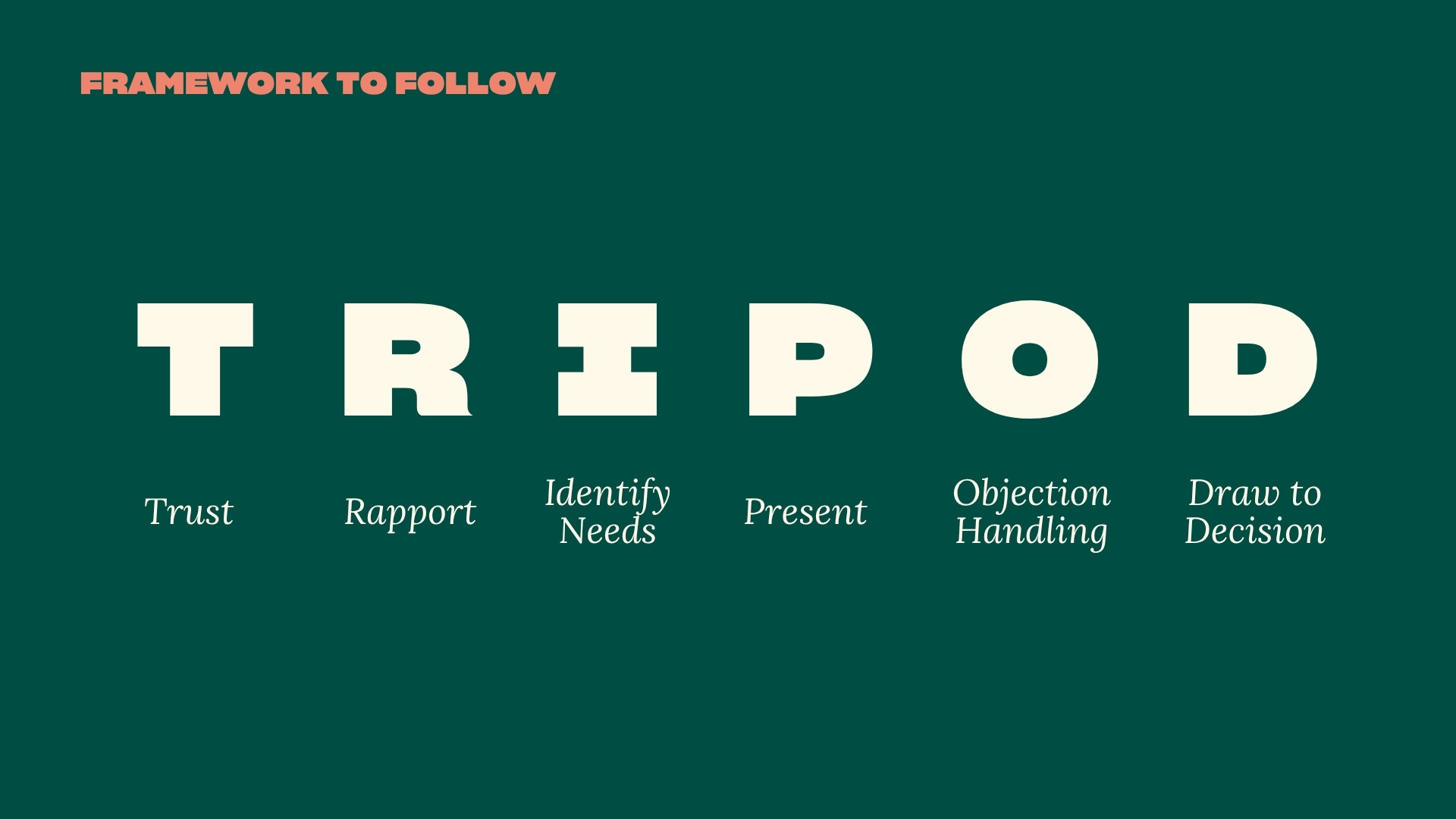
When I spoke at the Decoded event last December at the KNVB campus, I shared the framework I’ve leaned on ever since and learned early in my career - TRIPOD:
Trust – prove you’re reliable with small wins and/or proof
Rapport – build a human connection where they want you to win
Identify needs – understand what they actually care about solving
Present your proposition or solution – make the value simple and clear
Objection handling – deal with concerns early and without emotion
Draw to a decision – ask for commitment to a single next step
Research suggests that around 70% of the work sits in the first three stages, well before you’ve even presented your idea.
If you want access to the full slides from my Decoded presentation,
just drop me a line and I’ll happily share them.
In sport we tend to jump straight to the pitch. Maybe it’s the influx of data, the Moneyball shift, the quantification of the weekly emotional rollercoaster. We get the data, the slides, the logic. Just look at our use cases of AI, we can get the answer for complex problems before we get the rationale of how it landed there.
Then we’re surprised when nobody buys into the behaviour change we’re suggesting. Emotion drives decisions, and logic justifies them afterwards. If you haven’t built the trust and taken the time to understand what the other person needs, you haven’t earned the right to present yet.
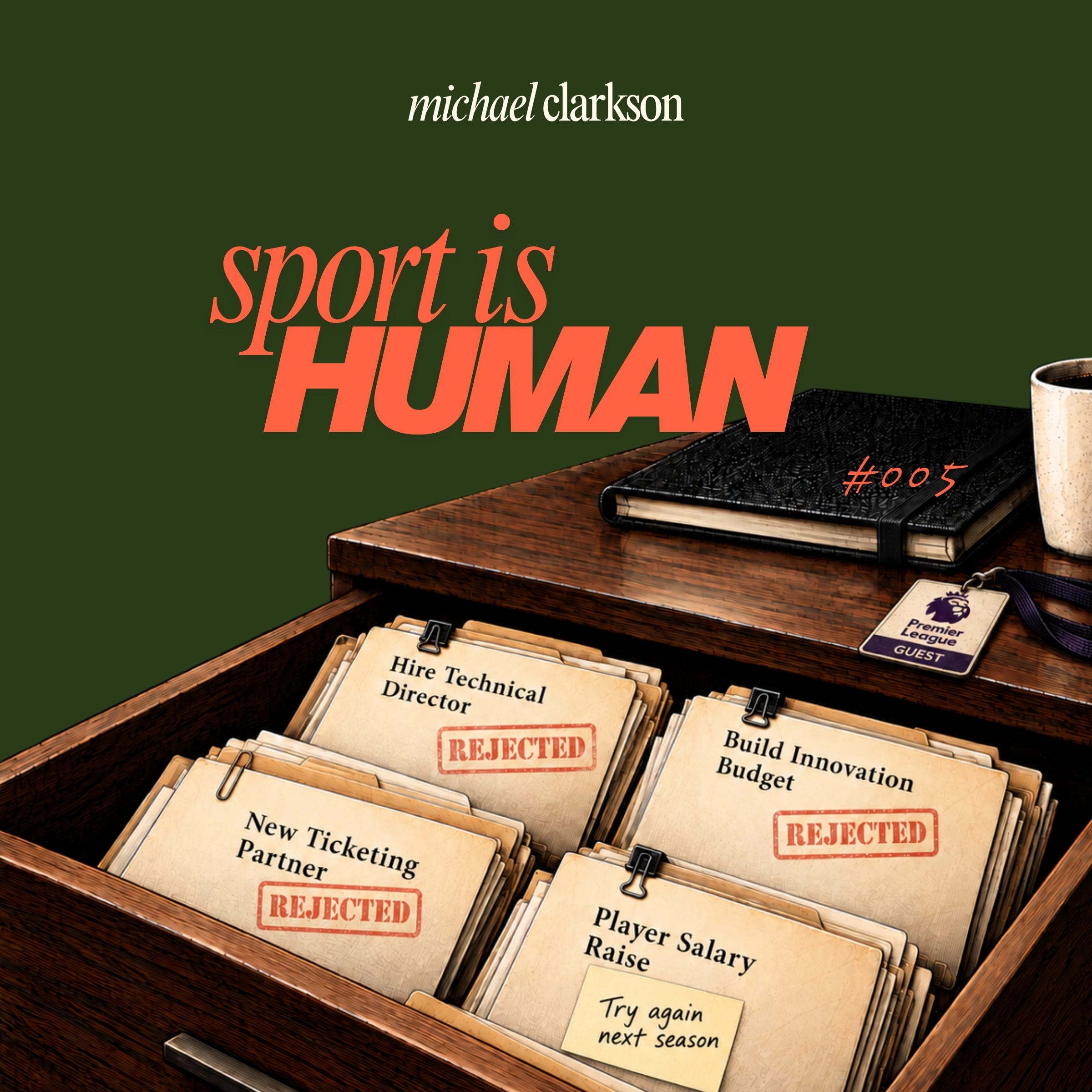
I’m convinced there are some brilliant ideas sitting in drawers across training grounds, practice facilities and stadiums that died a suddent death. That were never fundamentally wrong, they just weren’t sold well enough. So I’d love for us to stop shying away from selling and start treating it as a skill we’re proud of and want to develop, whatever our role. So this week’s question has this in mind, to help bring the intentionality to discuss and develop the skill of influence (selling) both individually and collectively.
Question 004
What’s an important idea that never saw the light of day because it wasn’t sold well, but you’re still convinced is the right solution?
Write down the idea, who you needed to convince and, if you’re being honest with yourself, which part of TRIPOD you skipped. Maybe even rate each stage if you have to. What would you do differently next time?
You can do this one as a department or a team. Get everyone to write theirs down, share them out loud and unpick . Then if there’s time, pick one and re-pitch it together, starting with what the stakeholder needs rather than what you want.
See you next week.